
 Türkçe
 Español
Product overview
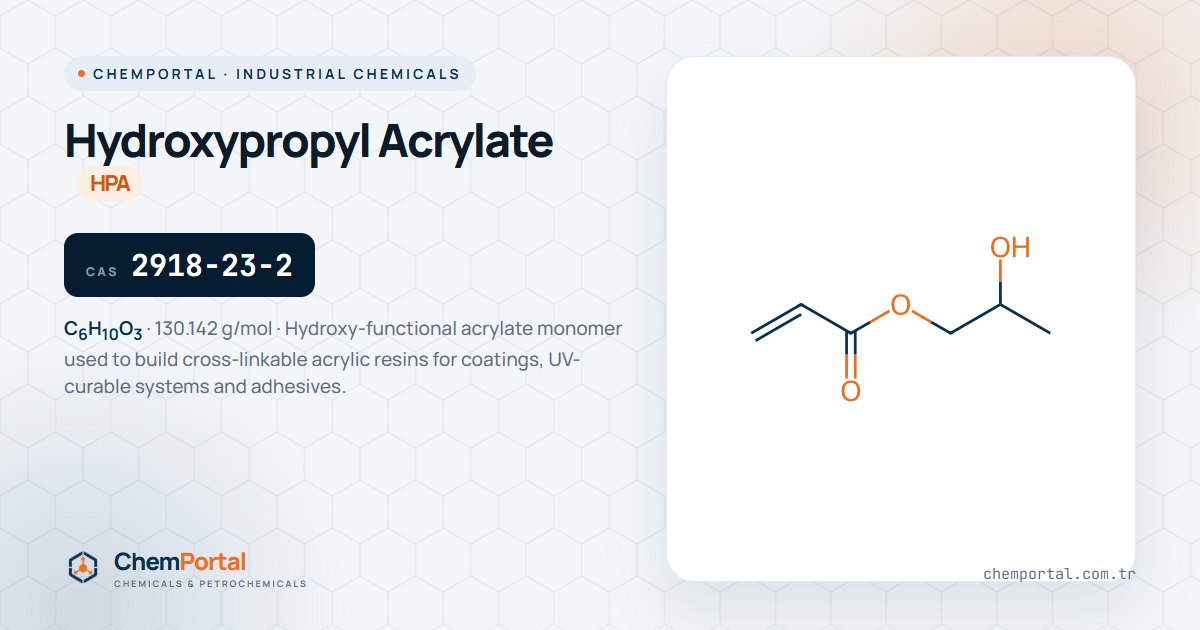
Hydroxypropyl acrylate (HPA, CAS 2918-23-2) is produced by reacting acrylic acid with propylene oxide, which gives a mixture of 2-hydroxypropyl and 1-methyl-2-hydroxyethyl isomers. It is a colorless liquid combining the fast-polymerizing acrylate group with a secondary hydroxyl group that can later be cross-linked with isocyanates, melamines or epoxies.
The commercial grade is specified at ≥ 94 wt% purity, ≤ 20 APHA color, ≤ 0.3 wt% acidity as acrylic acid, ≤ 0.3 wt% moisture and a density of 0.942–0.944 g/cm³ at 20 °C, with 200 ± 20 ppm MEHQ inhibitor. Flash point is 100 °C open cup (80 °C closed cup), so it is a combustible rather than highly flammable liquid.
Compared with HEMA, the acrylate group of HPA reacts faster in UV and emulsion polymerization and the resulting polymers are more flexible, which suits adhesives and flexible coatings. ChemPortal supplies HPA in plastic drums and IBC totes with a certificate of analysis.
Key features
- Purity ≥ 94 wt%, color ≤ 20 APHA
- Stabilized with 200 ± 20 ppm MEHQ
- Secondary hydroxyl group for cross-linking
- Flash point 100 °C (OC) / 80 °C (CC)
- Density 0.942–0.944 g/cm³ at 20 °C; drums and IBCs
Applications
- Acrylic polyols for polyurethane and melamine-cured coatings
- UV- and EB-curable resins, inks and overprint varnishes
- Flexible acrylic adhesives and sealants
- Textile and leather finishing binders
- Cross-linkable emulsions for construction coatings
- Reactive diluent and intermediate for specialty acrylates
Analysis specification
| Parameter | Limit |
|---|---|
| Color (APHA) | ≤ 20 |
| Purity (wt%) | ≥ 94 |
| Acidity (As Acrylic acid) | ≤ 0.3% |
| Density (at 20°C) g/cm³ | 0.942-0.944 |
| Moisture | ≤ 0.3% |
| Polymerization inhibitor MEHQ (ppm) | 200±20 |
On a small screen, scroll the technical table horizontally.
Physical properties
- Appearance
- Colorless liquid
- Flash point
- 100 °C (OC) / 80 °C (CC)
Identifiers
| CAS No. | 2918-23-2 |
| EINECS No. | 220-852-9 |
| HS code | 2916129000 |
| Formula | C6H10O3 |
| Molecular weight | 130.142 g/mol |
| SMILES | C=CC(=O)OCC(C)O |
| InChI | InChI=1S/C6H10O3/c1-3-6(8)9-4-5(2)7/h3,5,7H,1,4H2,2H3 |
| InChIKey | GWZMWHWAWHPNHN-UHFFFAOYSA-N |
| Synonyms | 2-hydroxypropyl acrylate, propylene glycol monoacrylate, acrylic acid hydroxypropyl ester, HPA monomer |
Transport & safety
Dangerous-goods classification and handling instructions are provided in the safety data sheet, available on request.
Packaging & logistics
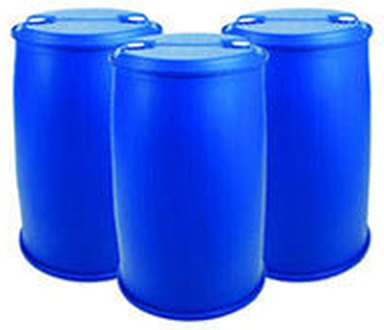
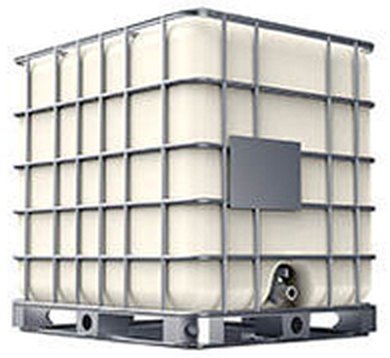
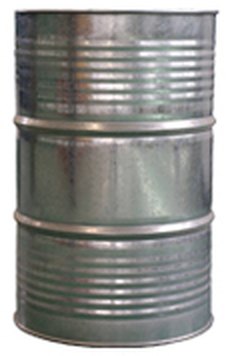
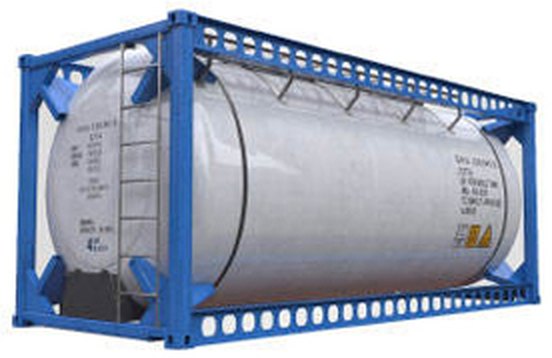
Standard packaging options. Confirm the packaging, lot size and delivery terms with your quotation.
Frequently asked questions
What is the difference between HPA and HEMA?
HPA is an acrylate with a propylene-glycol spacer and secondary OH group; HEMA is a methacrylate with an ethylene-glycol spacer and primary OH group. HPA polymerizes faster and gives softer, more flexible polymers, while HEMA gives harder films with more reactive hydroxyls.
Why is the purity specified at 94 wt%?
Commercial HPA is an isomer mixture that also contains a small amount of diacrylate and residual acrylic acid; the ≥ 94 wt% specification reflects the total hydroxypropyl acrylate isomers and is the standard industrial grade.
What inhibitor and storage conditions apply?
200 ± 20 ppm MEHQ. Store below 30 °C, away from light and oxidizers, with air in the headspace so the inhibitor remains effective; use within the retest date on the certificate of analysis.
How can I get a quotation?
Email or WhatsApp ChemPortal with the quantity, packaging (drums or IBC totes) and destination port, and we will reply with delivered pricing, lead time and the SDS/TDS.
Published reference specifications. Confirm the current grade, SDS / TDS / COA, packaging and delivery terms with your quotation.