
 Türkçe
 Español
Product overview
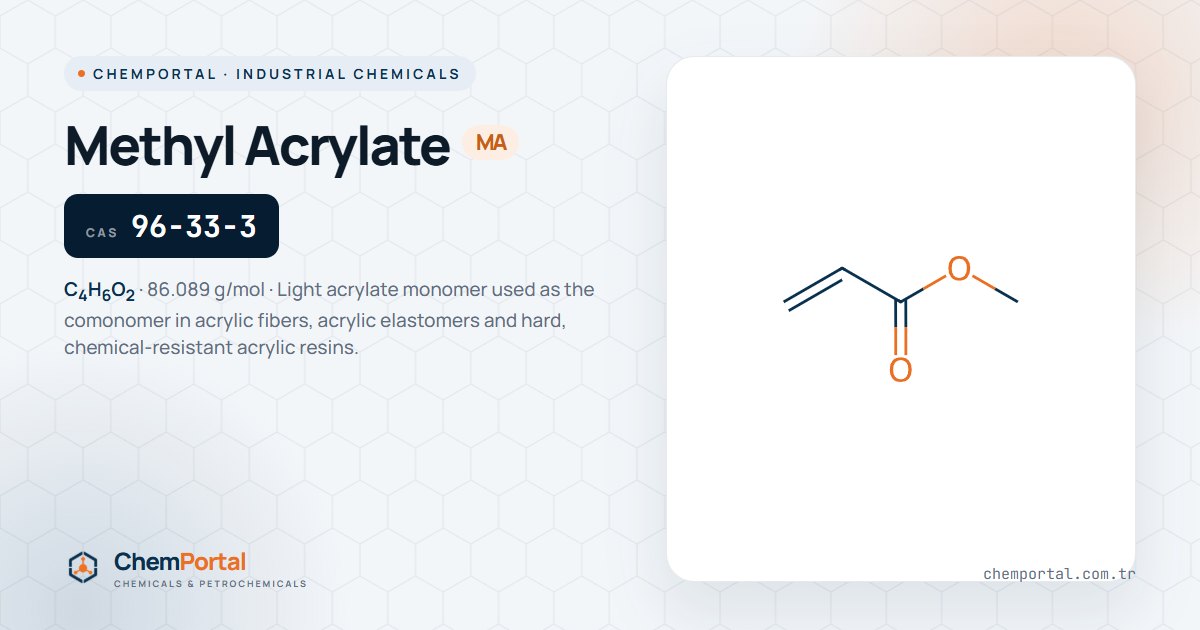
Methyl acrylate (methyl prop-2-enoate, CAS 96-33-3) is the smallest acrylate ester. It is a colorless, volatile liquid with a sharp odor, slightly soluble in water and miscible with ethanol, ether, acetone and benzene. Its homopolymer has a glass-transition temperature near 8 °C, so MA is the hardest of the common acrylates while still forming tough, flexible films.
The grade offered is specified at ≥ 99.9 wt% purity, ≤ 10 Hazen (Pt-Co) color, ≤ 0.05 wt% moisture and a density of 0.956 g/cm³ at 20 °C, stabilized with 200 ± 20 ppm MEHQ. It melts at −75 °C, boils at 80 °C and has an open-cup flash point of −3 °C, so it is stored and transferred as a highly flammable liquid.
Methyl acrylate is transported as UN 1919, packing group II. ChemPortal supplies it in plastic drums, IBC totes and ISO tank containers to buyers in Türkiye and export markets.
Key features
- Purity ≥ 99.9 wt%, color ≤ 10 Hazen
- Stabilized with 200 ± 20 ppm MEHQ
- Moisture ≤ 0.05 wt%; density 0.956 g/cm³ at 20 °C
- Boiling point 80 °C; flash point −3 °C (OC)
- UN 1919, packing group II; drums, IBCs, ISO tanks
Applications
- Comonomer in polyacrylonitrile fibers (acrylic fiber)
- Acrylic elastomers (ACM) for automotive and oil-resistant seals
- Emulsion and solution acrylic resins for coatings
- Textile, leather and paper finishing agents
- Intermediate for amphoteric surfactants and specialty esters
- Plastic additives and vitamin B1 synthesis intermediate
Analysis specification
| Parameter | Limit |
|---|---|
| Color Hazen (Pt-Co) | ≤ 10 |
| Purity (wt%) | ≥ 99.9 |
| Density (at 20°C) g/cm³ | 0.956g/cm³ |
| Moisture (wt%) | ≤ 0.05 |
| Polymerization inhibitor MEHQ (ppm) | 200±20 |
On a small screen, scroll the technical table horizontally.
Physical properties
- Appearance
- Colorless Liquid
- Melting point
- -75 °C
- Boiling point
- 80 °C
- Flash point
- -3 °C (OC)
- Solubility
- Slightly soluble in water, soluble in ethanol, ether, acetone, benzene
Identifiers
| CAS No. | 96-33-3 |
| EINECS No. | 202-500-6 |
| HS code | 29161210 |
| Formula | C4H6O2 |
| Molecular weight | 86.089 g/mol |
| SMILES | C=CC(=O)OC |
| InChI | InChI=1S/C4H6O2/c1-3-4(5)6-2/h3H,1H2,2H3 |
| InChIKey | BAPJBEWLBFYGME-UHFFFAOYSA-N |
| Synonyms | methyl prop-2-enoate, acrylic acid methyl ester, 2-propenoic acid methyl ester, MA monomer |
Transport & safety
- UN number
- UN 1919
- Packing group
- PG II
- Hazard characteristic
- Flammable liquid
Dangerous-goods classification and handling instructions are provided in the safety data sheet, available on request.
Packaging & logistics
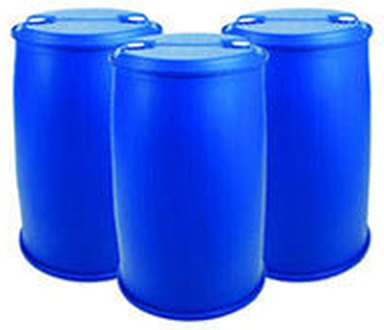
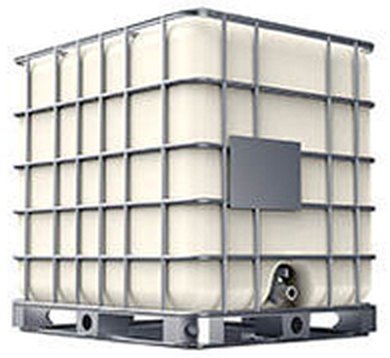
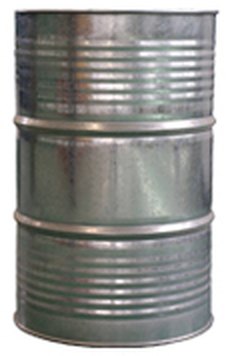
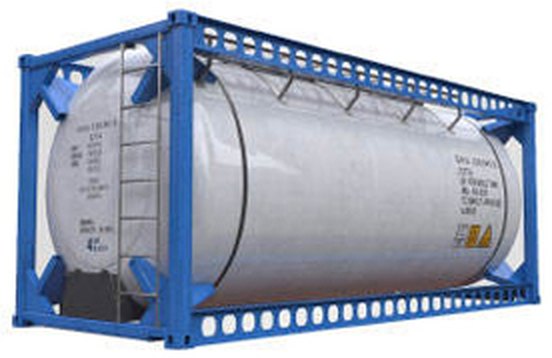
Standard packaging options. Confirm the packaging, lot size and delivery terms with your quotation.
Frequently asked questions
What role does methyl acrylate play in acrylic fiber?
A few percent of MA is copolymerized with acrylonitrile to make the polymer dyeable and easier to spin, which is why fiber producers are the largest consumers of methyl acrylate.
How volatile is methyl acrylate?
It boils at 80 °C and has a flash point of −3 °C, so vapors form readily at room temperature. Use closed systems, grounded equipment and vapor recovery; store below 30 °C with air in the headspace.
What inhibitor level is supplied?
200 ± 20 ppm MEHQ. Processes that are sensitive to inhibitor can remove it by alkaline washing or by passing the monomer through an inhibitor-removal column.
What packaging is available?
Plastic drums, 1,000 L IBC totes and ISO tank containers, shipped as UN 1919, packing group II. Contact ChemPortal with your quantity and destination for a delivered quotation.
Published reference specifications. Confirm the current grade, SDS / TDS / COA, packaging and delivery terms with your quotation.