

 Türkçe
 Español
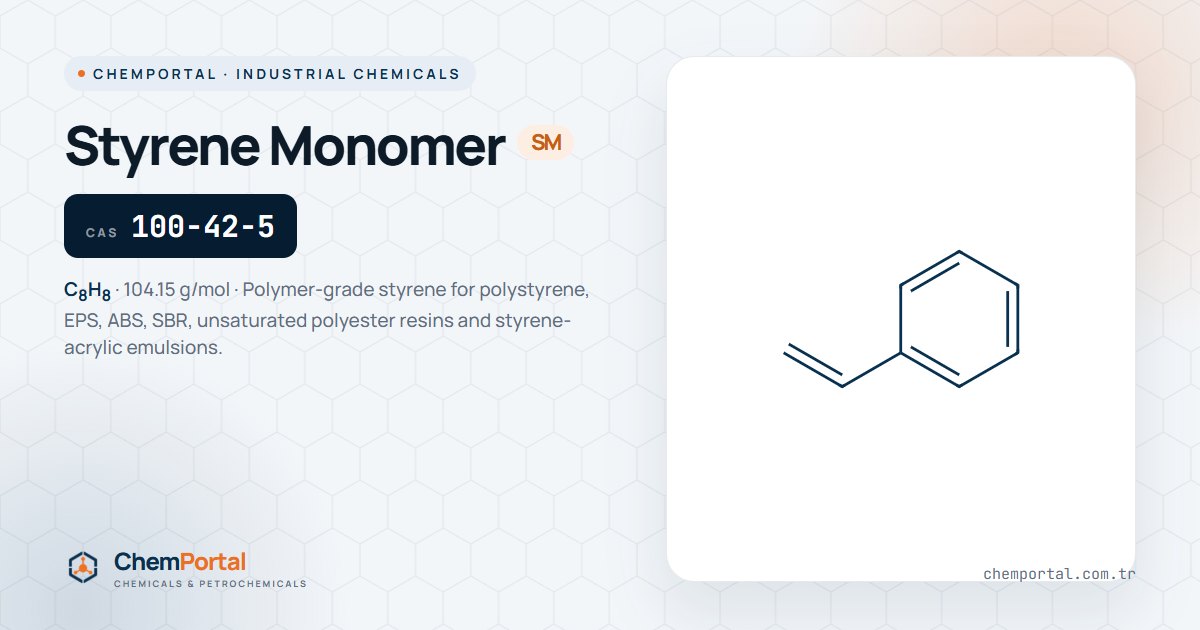
Product overview
Styrene (ethenylbenzene, vinylbenzene, CAS 100-42-5) is a colorless, oily liquid with a sweet aromatic odor, insoluble in water but soluble in ethanol, ether and other organic solvents. Its vinyl group on a benzene ring polymerizes easily by radical, anionic or Ziegler routes, making styrene one of the largest-volume monomers in the world.
The polymer grade supplied is specified at ≥ 99.8 wt% purity, ≤ 10 APHA color, ≤ 10 ppm polymer, ≤ 50 ppm peroxide, ≤ 100 ppm total aldehydes as benzaldehyde and ≤ 0.08 wt% ethylbenzene, with a density of 0.902 g/cm³ at 20 °C. It is stabilized with 10–15 ppm TBC (4-tert-butylcatechol).
Styrene melts at −30.6 °C, boils at 145.2 °C and has a flash point of 31.1 °C. It is transported as UN 2055, stabilized flammable liquid. ChemPortal supplies it in steel drums, IBC totes and ISO tank containers to polymer and resin producers.
Key features
- Purity ≥ 99.8 wt%, color ≤ 10 APHA
- Polymer ≤ 10 ppm, peroxide ≤ 50 ppm, aldehydes ≤ 100 ppm
- Ethylbenzene ≤ 0.08 wt%
- Stabilized with 10–15 ppm TBC
- Boiling point 145.2 °C, flash point 31.1 °C; UN 2055
Applications
- General-purpose and high-impact polystyrene (GPPS, HIPS)
- Expandable polystyrene (EPS) for insulation and packaging
- ABS and SAN copolymers
- Styrene-butadiene rubber (SBR) and latex
- Unsaturated polyester and vinyl ester resins for composites
- Styrene-acrylic emulsions for paints and construction
Analysis specification
| Parameter | Limit |
|---|---|
| Color (APHA) | ≤ 10 |
| Purity (wt%) | ≥ 99.8 |
| Polymer (ppm) | ≤ 10 |
| Peroxide content (As Hydrogen peroxide) (ppm) | ≤ 50 |
| Density (at 20°C) g/cm³ | 0.902 g/cm³ |
| Total Aldehyde (As benzaldehyde) (ppm) | ≤ 100 |
| Ethyl benzene (wt%) | ≤ 0.08 |
| Polymerization inhibitor TBC (ppm) | 10-15 |
| Moisture (ppm) | 134.4 |
On a small screen, scroll the technical table horizontally.
Physical properties
- Appearance
- Colorless Liquid
- Melting point
- -30.6 °C
- Boiling point
- 145.2 °C
- Flash point
- 31.1 °C
- Solubility
- Insoluble in water, soluble in ethanol, ether and other organic solvents
Identifiers
| CAS No. | 100-42-5 |
| EINECS No. | 202-851-5 |
| HS code | 2902500000 |
| Formula | C8H8 |
| Molecular weight | 104.15 g/mol |
| SMILES | C=Cc1ccccc1 |
| InChI | InChI=1S/C8H8/c1-2-8-6-4-3-5-7-8/h2-7H,1H2 |
| InChIKey | PPBRXRYQALVLMV-UHFFFAOYSA-N |
| Synonyms | ethenylbenzene, vinylbenzene, phenylethylene, styrol, SM monomer |
Transport & safety
- UN number
- UN 2055
- Classification
- Flammable liquid
Dangerous-goods classification and handling instructions are provided in the safety data sheet, available on request.
Packaging & logistics
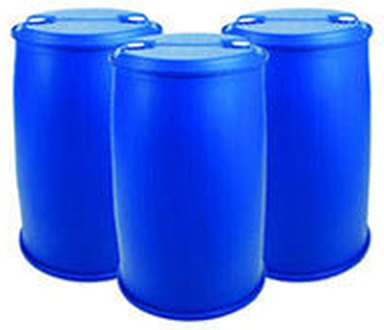
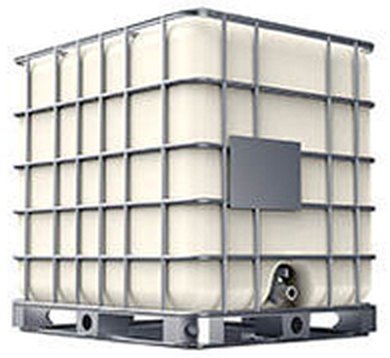
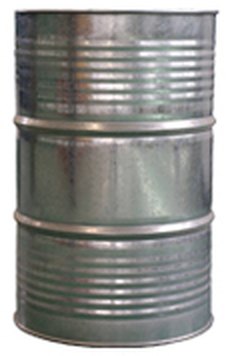
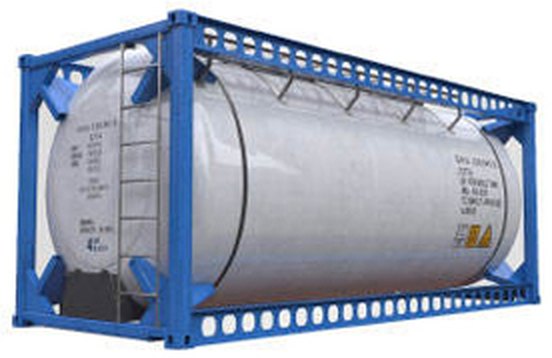
Standard packaging options. Confirm the packaging, lot size and delivery terms with your quotation.
Frequently asked questions
Why does styrene contain TBC and what does it do?
4-tert-Butylcatechol (10–15 ppm) scavenges radicals and prevents premature polymerization in storage and transit. It needs dissolved oxygen to work, so containers must keep air in the headspace, and it is depleted faster at high temperature.
How long can styrene be stored?
Kept below 25 °C, away from sunlight and with the inhibitor level monitored, polymer-grade styrene is normally stored for up to a few months. Check TBC content and polymer content before use if storage is extended.
What is the polymer content specification?
≤ 10 ppm polymer at delivery, together with ≤ 50 ppm peroxide and ≤ 100 ppm aldehydes, which protects downstream polymerization from gel and color problems.
What packaging and transport classification apply?
Steel drums, IBC totes and ISO tank containers, transported as UN 2055, styrene monomer stabilized, flammable liquid. Contact ChemPortal with your volume and destination for a delivered quotation.
Published reference specifications. Confirm the current grade, SDS / TDS / COA, packaging and delivery terms with your quotation.